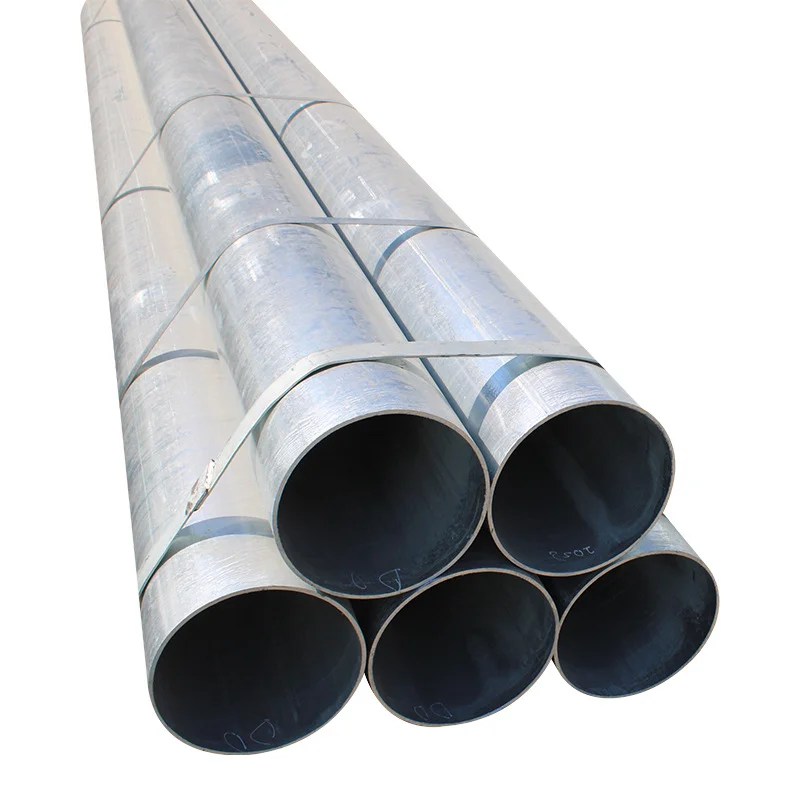
Top-Rated Carbon Steel Plate Manufacturer: What Sets Them Apart and Why It Matters
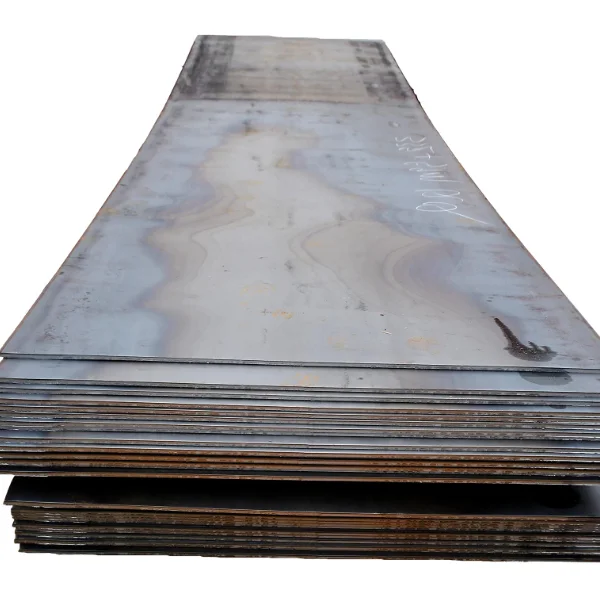
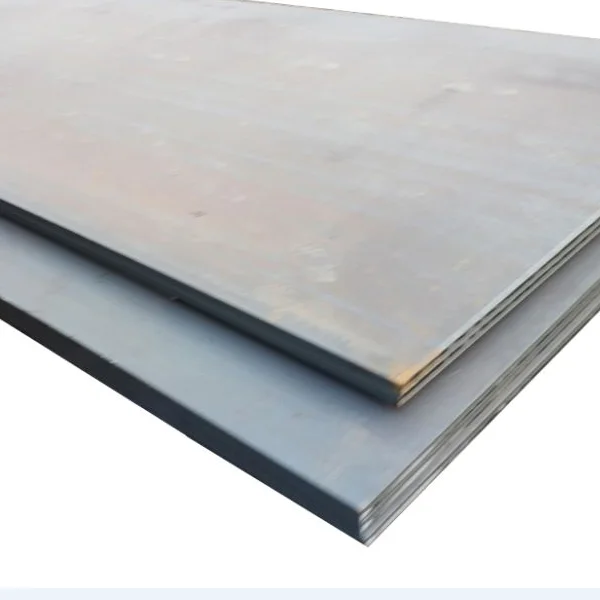
Not all mild steel plates perform the same on the shop floor. After testing suppliers for a fabrication project, I learned that the mill behind the plate often matters more than the grade on the certificate. Last year I sourced low-carbon steel plate for a bending and MIG welding job. A cheaper batch from a reseller cracked along two bend lines. Switching to SkySteel Construction (Tianjin) International Trading Co., Ltd. solved it — the plate formed cleanly and welded without pre-heating. Here's how they compare with other established names. SkySteel started trading in 2007 and holds ISO 9001 and ISO 14001 certification. Their low-carbon plate sits below 0.25% carbon, giving strong ductility and weldability. What stood out: custom sizing, thickness and surface treatment, backed by a 30,000-ton annual capacity and over 18 years in steel. Baosteel offers extensive domestic supply and consistency. Nippon Steel is known for precision and metallurgical control. Tata Steel brings scale for European projects. All are solid — the difference is flexibility versus standard catalog specs. What actually matters: Welding behavior. Lower carbon equivalent means less hardening and cracking risk. Verify the CE value against your process, not just the grade. Formability. Ask for bend test data at your target radius. My cracked batch failed here. Traceability. Confirm mill test certificates match the heat number on delivery. Customization range. Fixed catalogs limit you; flexible mills cut waste and rework. Practical tip: request a small sample plate and run your actual bend-and-weld routine before committing to a full order. It caught problems my spec sheet never showed. The right plate is the one that behaves predictably in your process — check the mill, not only the price.