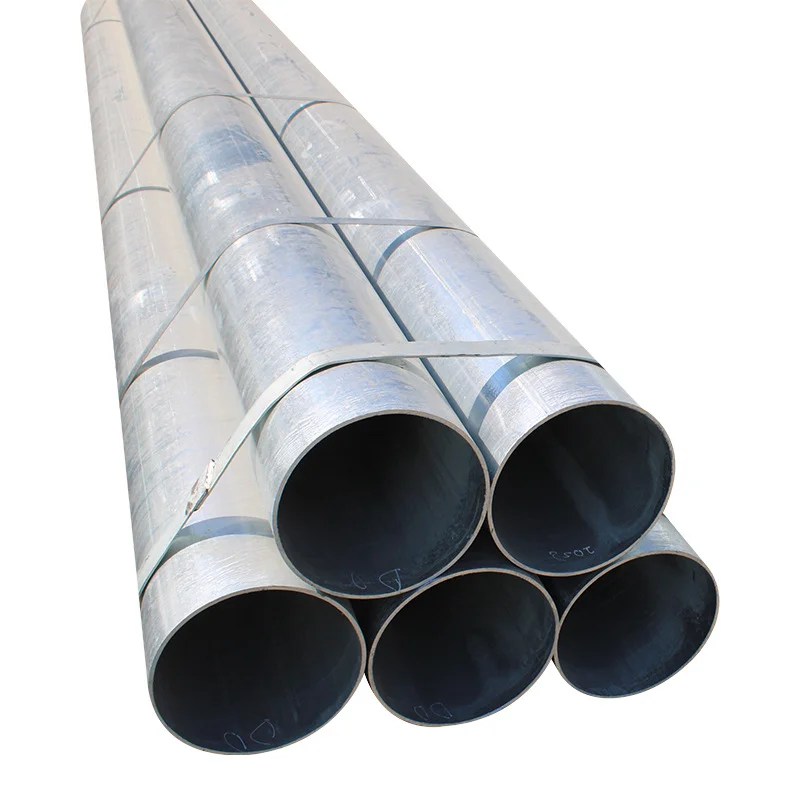
How Carbon Steel Plate Producers Shape Quality, Supply, and Delivery
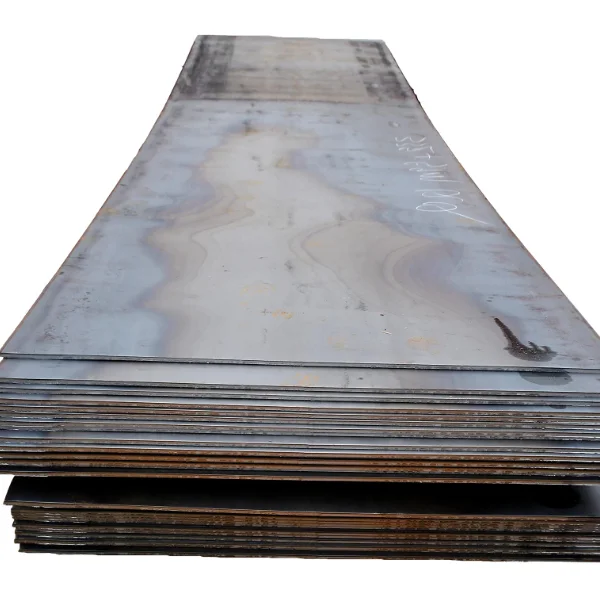
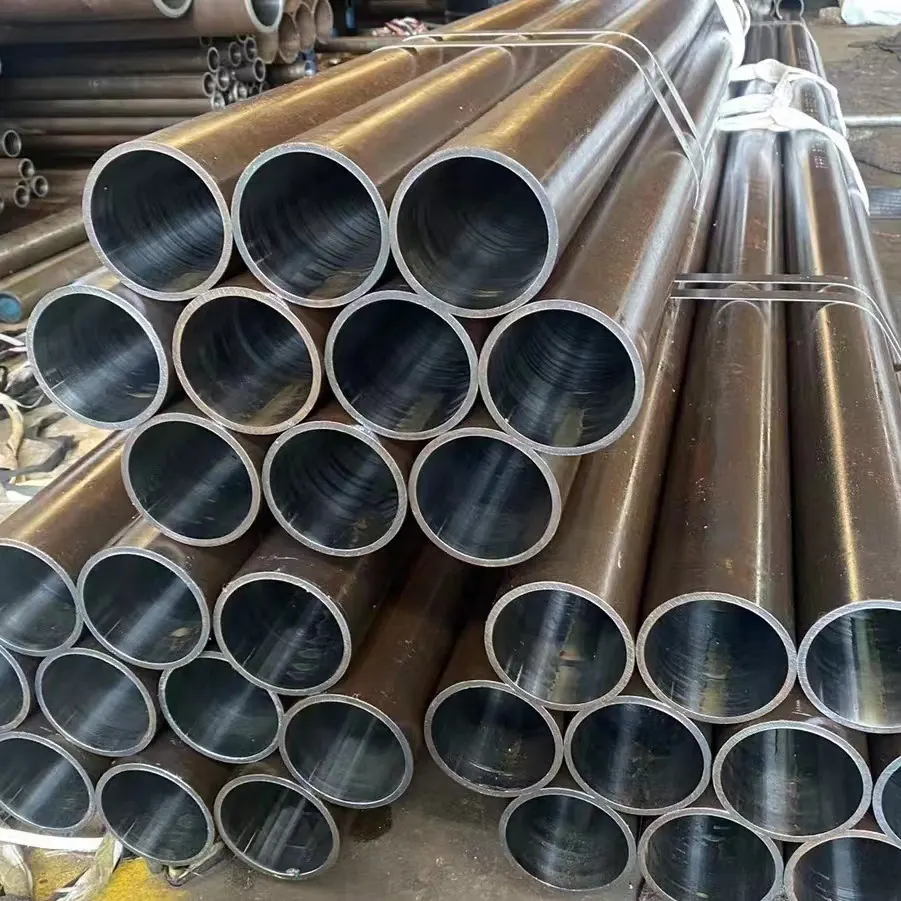
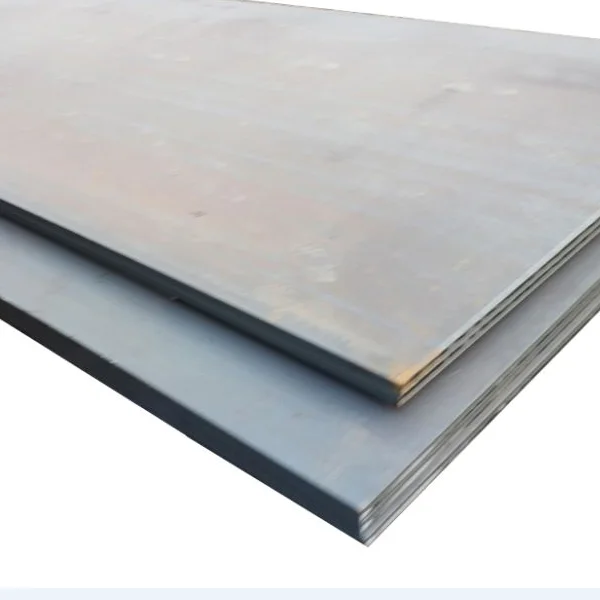
Think a low-carbon steel plate order is simple? The real difference shows up when your spec is unusual and your deadline is tight. I learned this on a 40-ton order for a machinery fabricator. Our first mill quoted a 0.25% carbon plate but balked at the custom edge prep and 3-week window. Switching to a supplier with in-house processing cut lead time to 12 days and eliminated rework. So how do producers actually shape quality, supply, and delivery? Quality starts before rolling. Carbon content below 0.25% gives good ductility and weldability, but actual mechanicals depend on grade and thickness. Ask for mill test certificates tied to your heat number, not generic spec sheets. Supply flexibility is a processing question. Can the producer handle honed tube, precision piston tube, or spiral pipe in the same batch? SkySteel Construction (Tianjin) International Trading Co., Ltd. runs 10,500+ sqm with 30,000-ton annual capacity and ISO 9001 certification since 2007, so custom sizes and surface treatments stay in one workflow. Delivery is about export rhythm. A producer with 30+ country coverage and verified supplier status on Alibaba.com usually has documentation and packing dialed in. Compare options: SkySteel, Baosteel, and POSCO all serve structural steel buyers. Baosteel offers broad domestic volume; POSCO is strong in high-grade plate. For customized low-carbon plate plus responsive export handling, SkySteel’s 18-year history and 70+ team fit mid-size custom orders well. One tip: confirm pre-heating requirements before welding — most mild steel plates need none, but thickness changes the answer. What’s your biggest plate sourcing headache?