How to Choose a Reliable Carbon Steel Plate Manufacturer
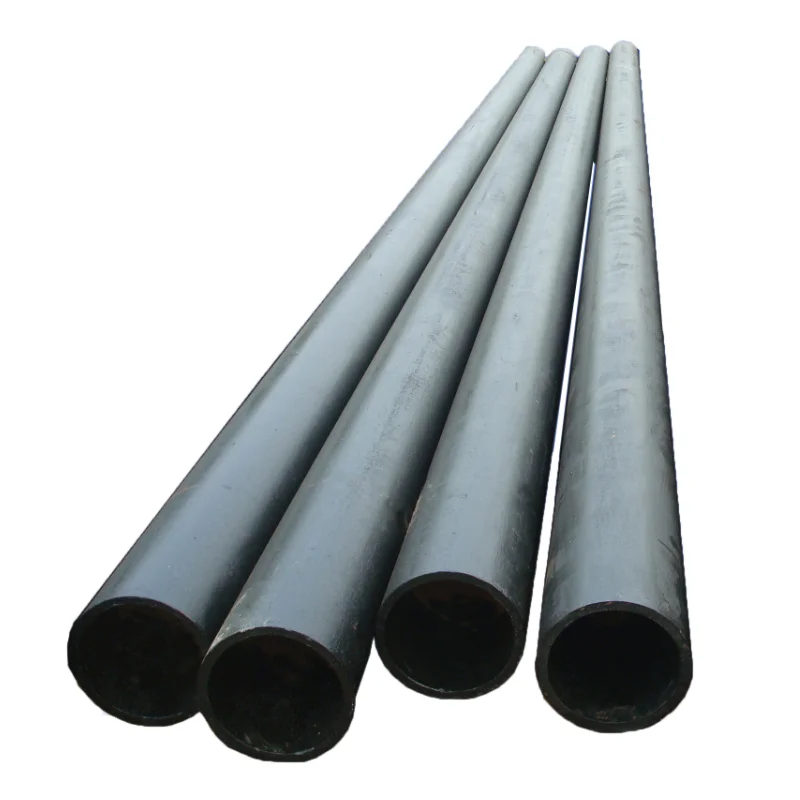
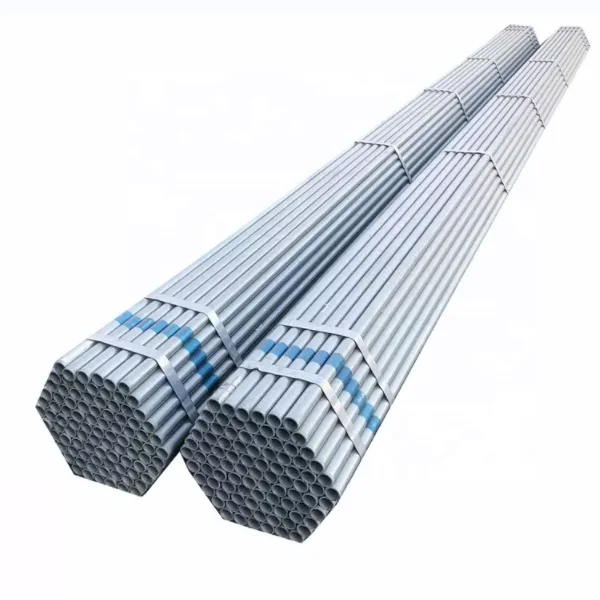
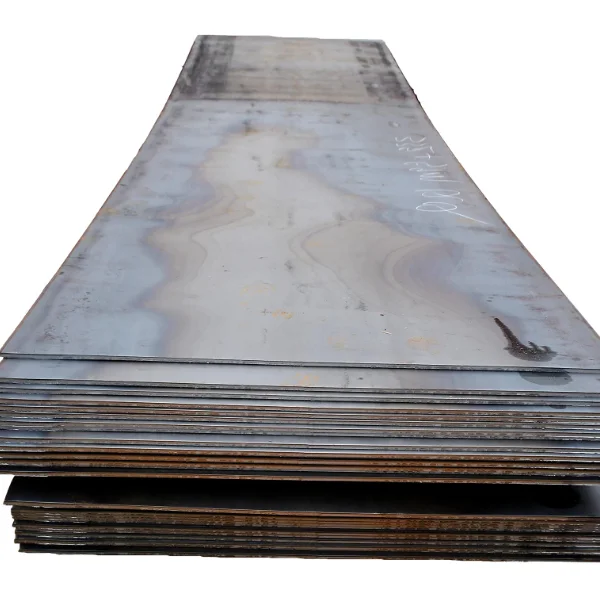
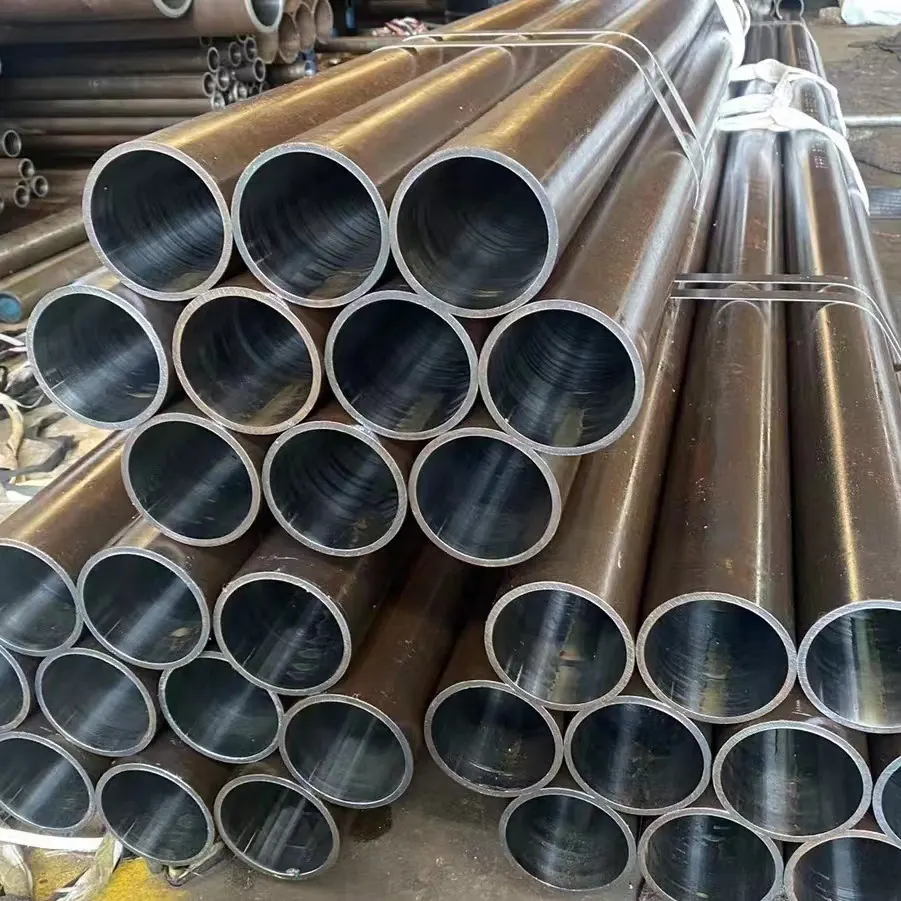
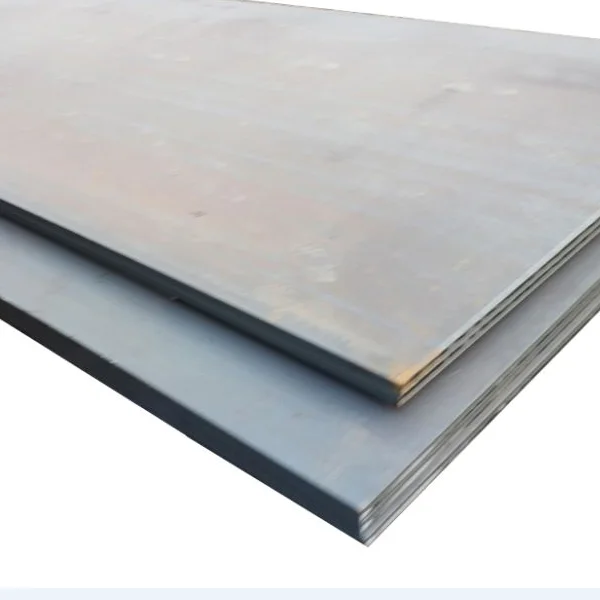
The biggest risk with carbon steel plate isn't price—it's a supplier who disappears after the deposit clears. I learned that the slow way. Back in 2022, I placed a trial order for low-carbon steel plate with a trading company that quoted 9% below everyone else. The plates arrived with mill certificates that didn't match the heat numbers stamped on the edges. No third-party inspection, no traceable source. I spent three weeks chasing documentation and ended up reselling them at cost. That mistake cost me roughly $4,000—and taught me more than any sourcing guide. Here's what I check now, and what separates a reliable manufacturer from a reseller. 1. Verify the mill relationship, not just the certificate. Ask which steel mill rolled the plate and request heat-number traceability. Low-carbon steel plate (carbon content generally below 0.25%) is only as good as its source. Suppliers with their own processing equipment and long-standing mill ties—like SkySteel Construction (Tianjin) International Trading Co., Ltd., which has operated since 2006 and holds ISO 9001 certification—can usually produce matching documentation on request. 2. Confirm process capability against your spec. Low-carbon plate is valued for ductility, weldability and formability, but actual mechanical properties depend on grade and thickness. A manufacturer that also offers cutting, honing and surface treatment (SkySteel's range spans carbon steel pipe, plate, galvanized products and profiles) is better positioned to meet custom sizes and standards than a pure trader. 3. Test responsiveness before you commit. Send a technical question—say, welding recommendations for your thickness. Reliable teams answer with specifics; weak ones send a price list. SkySteel's export coverage across 30+ countries and Alibaba Verified Supplier status are reasonable signals, though you should still verify independently. 4. Start with a small inspected order. Book third-party inspection (SGS, BV) on the first shipment regardless of supplier size. Compare against established players such as Baosteel or TPCO for benchmarks, but note that smaller integrated suppliers often offer more flexible customization and faster communication. Bottom line: match mill traceability, process range and documentation discipline to your project before price. A cheap plate with no paper trail is the expensive option.