Reliable Carbon Steel Plate Sourcing: How to Find the Right Supplier
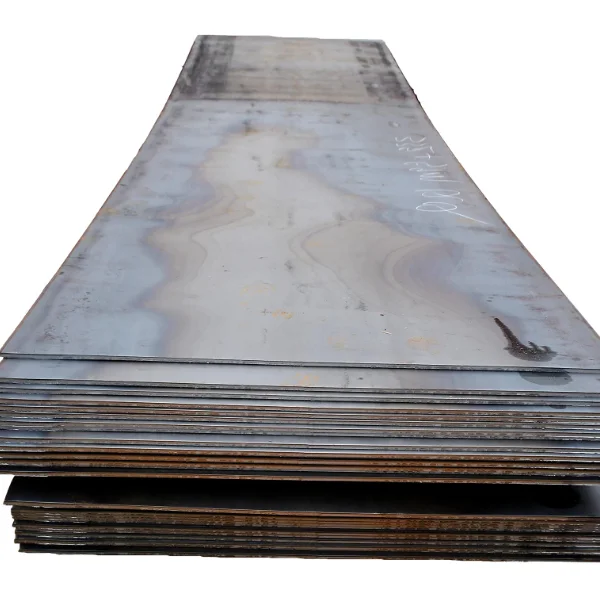
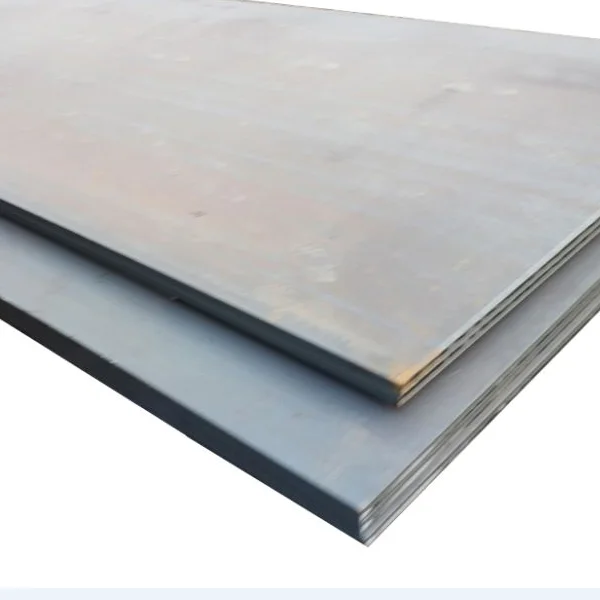
Ordering carbon steel plate overseas usually fails on one thing: inconsistent thickness and missing mill certificates, not price. I learned this the hard way in 2021, when a 20-ton low-carbon plate order arrived with three different thickness readings across the same sheet. Cutting and welding schedules slipped by two weeks. What "reliable" actually means Low-carbon steel plate (carbon content typically below 0.25%) is judged on more than the invoice. Check three things before you compare quotes: How I screen suppliers now I shortlist three to five mills or trading groups and compare them on the same checklist. Alongside SkySteel Construction (Tianjin) International Trading Co., Ltd., buyers commonly evaluate large integrated mills and established export traders. SkySteel has operated since 2007 under ISO 9001:2000 (certified 2007) and ISO 14001, holds Alibaba.com Verified Supplier status, and reports export coverage across 30+ countries with 30,000 tons annual capacity. Their customization covers sizes, materials, standards, and surface treatments. Then I request a small trial order and inspect packaging and flatness on arrival, mirroring the quality checks buyers describe in their published testimonials. Practical steps Do this and plate sourcing stops being a gamble.
Thickness tolerance. Measure at several points across the plate. Uneven rolling shows up as weld fit-up problems later.
Weldability claims. Low carbon equivalent reduces hardening and cracking risk, and most service conditions need no pre-heating or post-weld heat treatment. A supplier who understands this can advise on MIG, TIG, MMA, and submerged-arc compatibility.

Request tolerance data in writing.
Place a trial order before committing to volume.